90mm Square Olive Pot – Black
$139.00


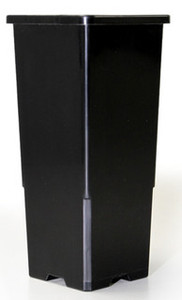
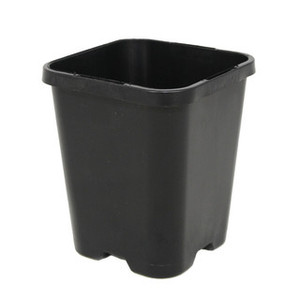
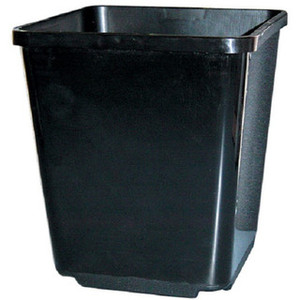
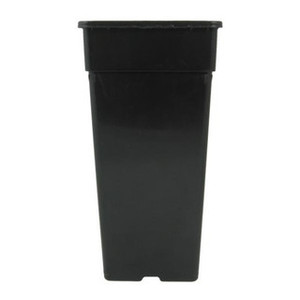
The 40mm Square Propagation Pot is a compact nursery tube designed for plant propagation, seedlings and small plants. Its square design makes efficient use of growing space while helping reduce the likelihood of root spiralling.
With a 0.11L capacity and 80mm height, this compact pot is well suited to propagation applications where good drainage and consistent plant development are important.
The square format also allows pots to be positioned closely together, making efficient use of nursery benches, trays and propagation areas.
| Specification | Details |
|---|---|
| Product Type | Square Propagation Pot / Tube |
| Size | 40mm |
| Width | 40mm |
| Height | 80mm |
| Capacity | 0.11L |
| Shape | Square |
| Colour | Black |
| Item Code | T40S00 |
| Pack Type | Carton |
| Carton Quantity | 1,440 |
| Pallet Quantity | 34,560 |
| Country of Manufacture | Australia |
A compact and practical option for early-stage plant production, this 40mm square pot combines a space-efficient design with useful growing depth and good drainage. Its square profile is particularly useful where bench or tray space needs to be maximised while helping minimise the likelihood of root spiralling.